

The construction sector is rapidly evolving, and companies that still depend on manual processes are falling behind. Today, clients expect fast responses, transparent communication, and smooth project handling – and that’s where a modern CRM system becomes essential.
A CRM designed for the construction industry helps builders, contractors, and real estate companies manage enquiries, track projects, and improve customer experience. It brings all customer and project details into one place, reduces delays, and helps teams collaborate better.
Why the Construction Industry Needs CRM
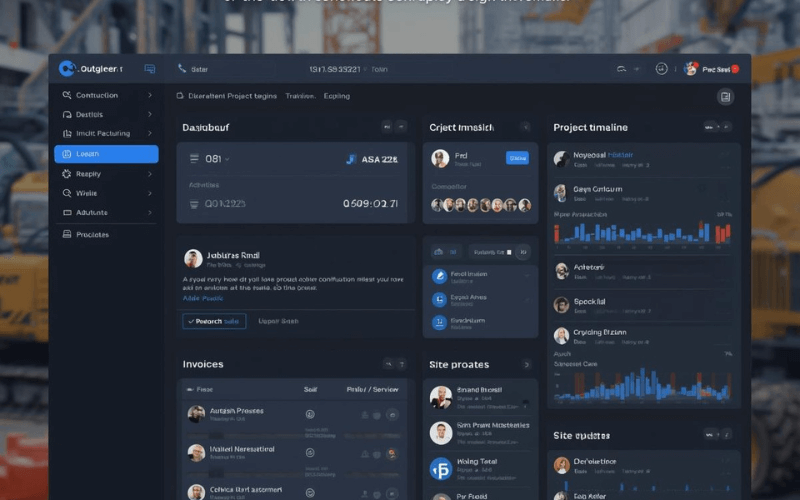
Construction projects involve multiple stakeholders like clients, vendors, architects, subcontractors, and site teams. A construction industry CRM helps reduce confusion by storing everything in one dashboard:
- Client details
- Project timelines
- Quotations & invoices
- Site updates
- Follow-up reminders
With clear visibility, your team becomes more organised and efficient.
Better Lead Management With CRM for Builders
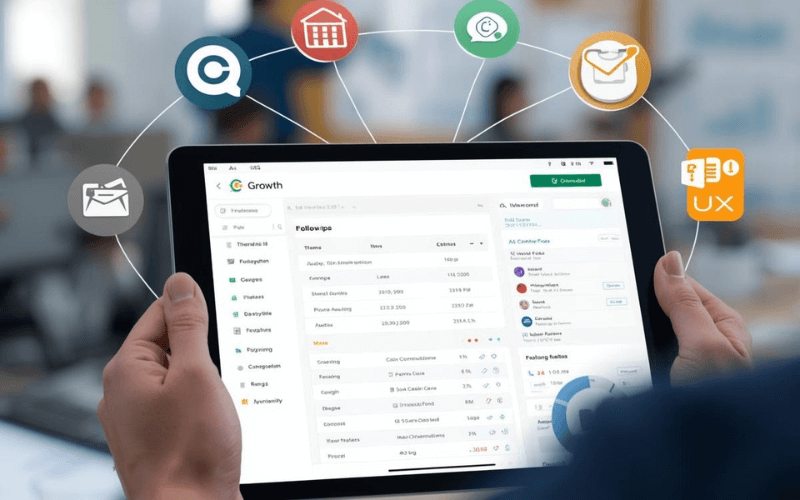
Builders lose many opportunities simply because enquiries are not tracked properly. A CRM for builders ensures that every lead is captured, assigned, and followed up on time. It helps you:
- Track enquiries from website, calls, WhatsApp, and social media
- Prioritise hot leads
- Send automated reminders
- Improve customer response time
This simple improvement often leads to higher project bookings and stronger client relationships.

Stronger Online Presence for Construction Companies
With increasing competition, builders need a strong digital footprint to attract more clients. A well-designed website and a strategic marketing plan help construction companies stand out. Areas that create major impact include:
- SEO-friendly website content
- Project portfolio galleries
- Enquiry forms that sync with CRM
- Local search optimisation
Agencies offering digital marketing for builders can help generate more qualified leads through Google Ads, social media campaigns, and website optimisation.
How CRM Improves Project Delivery
Project delays often happen due to communication gaps. A CRM helps construction businesses by providing:
- Real-time project updates
- Task assignment
- Document sharing
- Progress tracking
- Centralised client communication
This leads to fewer errors, smoother coordination, and more satisfied customers.
Conclusion
In a competitive construction market, using a modern CRM system is no longer optional. It brings order to complex processes, improves client satisfaction, and increases sales. Whether you’re a small builder or a large construction company, the right CRM can transform the way you manage your business.