

What is E-commerce?
E-commerce, short for electronic commerce, refers to the buying and selling of goods and services over the internet. It includes a wide range of online business activities such as retail shopping, digital payments, subscription services, online banking, auctions, and service-based transactions.
In today’s digital economy, e-commerce is no longer limited to online stores alone. It has evolved into a complete ecosystem that connects businesses, consumers, service providers, and financial institutions through digital platforms.
With billions of consumers shopping online globally, e-commerce allows businesses to operate beyond geographical boundaries, offer 24/7 availability, reduce operational costs, and scale faster than traditional brick-and-mortar models. For consumers, it offers convenience, wider product access, competitive pricing, and personalized shopping experiences.
In simple terms, e-commerce has reshaped how modern businesses operate and how customers interact with brands.
What are E-commerce Applications?
E-commerce applications refer to the digital platforms, tools, and software solutions that enable online business operations. These applications power everything from browsing products and placing orders to processing payments, managing inventory, and maintaining customer relationships.
The term “e-commerce applications” can be understood in two ways:
First, it represents the activities conducted online, such as online retail, digital subscriptions, virtual consultations, and online bookings.
Second, it refers to the software systems and platforms that support these activities, including websites, mobile apps, payment gateways, CRM systems, inventory management tools, and analytics platforms.
Together, these applications form the backbone of modern e-commerce by enabling seamless transactions, secure payments, efficient operations, and improved customer experiences across web and mobile environments.
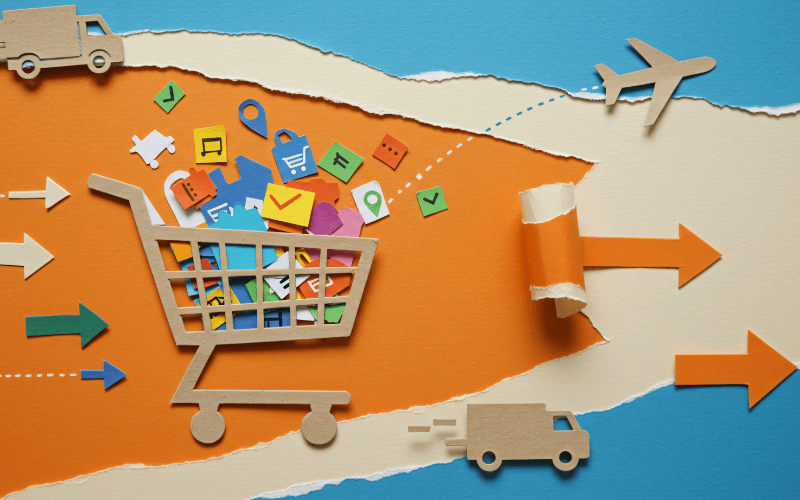
Most Common E-commerce Applications
E-commerce applications are used across multiple industries and business models. Below are some of the most common and impactful applications of e-commerce today.
1. Online Retail (E-Retailing)
Online retail allows businesses to sell products directly to consumers through digital storefronts. This is the most widely recognized form of e-commerce and includes everything from small online shops to large global marketplaces.
Retail e-commerce applications help businesses manage product listings, pricing, orders, payments, and deliveries while providing customers with an easy and convenient shopping experience.
2. Accounting and Financial Management
E-commerce platforms are increasingly integrated with accounting and financial systems. These applications help businesses manage invoicing, expense tracking, tax calculations, and financial reporting in real time.
This integration improves financial visibility, reduces manual errors, and ensures better cash flow management for online businesses.
3. Manufacturing and Supply Chain Management
In manufacturing, e-commerce applications streamline communication between suppliers, manufacturers, and distributors. Digital platforms help manage procurement, inventory levels, production planning, and order fulfillment.
This improves efficiency across the supply chain and allows manufacturers to respond quickly to market demand.
4. Global Trade and B2B Commerce
E-commerce has significantly expanded global trade by enabling businesses to reach international buyers and suppliers. B2B e-commerce platforms facilitate bulk orders, cross-border transactions, and long-term supplier relationships.
These applications reduce dependency on intermediaries and simplify international trade processes.
5. Digital Marketing and Customer Engagement
E-commerce applications play a major role in digital marketing by collecting and analyzing customer data. This data helps businesses create targeted marketing campaigns, personalized offers, and optimized pricing strategies.
Marketing automation tools, analytics dashboards, and CRM systems are essential components of e-commerce ecosystems.
6. Online Booking and Reservations
Online booking systems allow customers to book services such as travel, accommodations, events, and appointments digitally. These applications provide real-time availability, price comparison, and instant confirmations.
They have transformed industries such as travel, hospitality, healthcare, and entertainment.
7. Digital Shopping Platforms
Digital shopping applications focus on providing seamless browsing and purchasing experiences across devices. These platforms emphasize intuitive UI/UX design, secure checkout, and fast delivery integration.
They are critical for brands looking to improve conversion rates and customer retention.
8. Web and Mobile E-commerce Applications
With mobile usage continuing to rise, e-commerce applications are increasingly optimized for smartphones and tablets. Mobile commerce allows users to shop, pay, and track orders from anywhere.
Businesses that invest in mobile-friendly e-commerce solutions gain a competitive advantage in customer engagement and sales growth.
9. Digital Products and Media
E-commerce also includes the sale of digital goods such as software, e-books, music, online courses, and subscriptions. These applications eliminate the need for physical inventory and enable instant delivery.
Digital commerce has opened new revenue streams for creators and businesses worldwide.
10. Online Banking and Digital Payments
Digital payment applications allow users to perform financial transactions securely online. From bill payments to money transfers, these applications enhance convenience and accessibility for both consumers and businesses.
They form a critical part of the e-commerce payment ecosystem.
11. Online Auctions and Marketplaces
Auction-based e-commerce platforms allow buyers and sellers to engage in competitive bidding. These applications create dynamic pricing environments driven by supply and demand.
They are commonly used for collectibles, luxury goods, and specialized products.
AI in E-commerce
Artificial intelligence has become a powerful driver of innovation in e-commerce applications. AI enables businesses to deliver smarter, faster, and more personalized shopping experiences.
Key AI applications in e-commerce include:
Guided Selling
AI helps customers find the right products through intelligent recommendations and interactive assistance, reducing friction in the buying journey.
Personalization
AI analyzes browsing behavior, purchase history, and preferences to offer personalized product suggestions and promotions.
Chatbots and Virtual Assistants
AI-powered chatbots provide instant customer support, handle queries, and assist with purchases around the clock.
Inventory and Demand Forecasting
AI predicts demand patterns, helping businesses maintain optimal inventory levels and reduce operational costs.
Fraud Detection and Security
AI systems monitor transactions in real time to identify suspicious activities and prevent fraud.
Automated Content and Product Descriptions
AI tools assist in generating product descriptions and marketing content, improving efficiency and consistency.
Types of E-commerce
There are several types of e-commerce models, each serving different market needs:
- Business-to-Business (B2B) – Transactions between businesses
- Business-to-Consumer (B2C) – Businesses selling directly to consumers
- Consumer-to-Consumer (C2C) – Individuals selling to other individuals
- Consumer-to-Business (C2B) – Individuals offering services or products to businesses
- Business-to-Administration (B2A) – Transactions between businesses and government bodies
- Consumer-to-Administration (C2A) – Online interactions between individuals and public institutions
Tips to Improve Your E-commerce Strategy
To succeed in a competitive e-commerce landscape, businesses should focus on:
- Optimizing platforms for mobile users
- Improving website speed and user experience
- Simplifying checkout and payment processes
- Leveraging data for personalization and marketing
- Investing in strong customer support systems
- Ensuring security and data protection
A well-planned strategy helps businesses increase conversions, customer loyalty, and long-term growth.

Embrace the Full Potential of E-commerce
E-commerce continues to redefine how businesses connect with customers and deliver value in a digital-first world. Success in e-commerce goes beyond launching an online store it requires the right technology, seamless user experience, secure infrastructure, and the ability to adapt to changing customer expectations.
Businesses that understand e-commerce applications, leverage AI-driven innovation, and adopt scalable digital platforms are better positioned to grow and compete in evolving markets. With expertise in custom e-commerce development, web and mobile solutions, and secure digital platforms, Sesame Technologies Pvt. Ltd. supports organizations in building robust e-commerce ecosystems designed for performance, scalability, and long-term success.
Frequently Asked Questions
1. What are the main applications of e-commerce?
E-commerce is used for online retail, digital payments, online banking, subscriptions, digital marketing, online booking, and selling digital products.
2. How does AI help e-commerce platforms?
AI improves e-commerce through product recommendations, chatbots, personalized offers, demand forecasting, and fraud detection.
3. What are the different types of e-commerce?
The main types are B2B, B2C, C2C, C2B, B2A, and C2A, depending on who is buying and selling.
4. What are the benefits of e-commerce for businesses?
E-commerce helps businesses reach more customers, reduce costs, sell 24/7, improve customer experience, and grow faster.
5. How can businesses improve their e-commerce strategy?
Businesses can improve by optimizing for mobile, simplifying checkout, using data for personalisation, improving marketing, and securing customer data.