
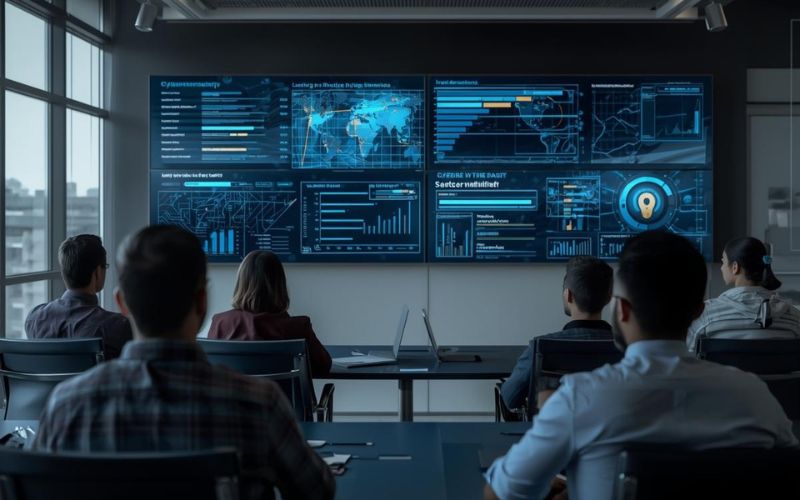
Cybersecurity is no longer just an IT responsibility. In 2026, the largest security risk inside most organizations is human behavior, not technology. Attackers know that bypassing firewalls is difficult but convincing an employee to click, share, or connect is often much easier.
Modern cyber threats are designed to exploit routine actions, busy schedules, and trust-based workflows. This is why employee cybersecurity awareness has become a critical layer of business cyber security.
This blog outlines the most common cyber threats employees encounter today, how they typically appear in real-world scenarios, and what organizations can do to reduce risk through awareness and prevention.
Why Employees Are the First Line of Cyber Defense
Most cyber incidents don’t begin with advanced hacking tools. They start with:
- A hurried email response
- A downloaded attachment
- A login on an unsecured network
Attackers rely on social behavior, urgency, and familiarity, not just technical vulnerabilities. Strengthening cybersecurity training for employees helps organizations close this gap before damage occurs.

1. Phishing Attacks: Still the Most Effective Entry Point
Despite years of warnings, phishing attacks remain the leading cause of data breaches. In 2026, these attacks are far more convincing due to AI-generated content, realistic branding, and personalized messaging.
Phishing messages often:
- Appear to come from managers, vendors, or banks
- Use urgency (“action required”, “account suspended”)
- Contain links that lead to fake login pages
Even experienced employees can fall victim during busy or distracted moments. Continuous awareness and layered email security controls are essential to reducing this risk.
2. Social Engineering: Manipulating Trust, Not Systems
Social engineering attacks target human trust rather than software weaknesses. These attacks may arrive through:
- Phone calls claiming to be IT support
- LinkedIn or WhatsApp messages posing as recruiters or partners
- Requests that bypass normal approval processes
Unlike phishing, social engineering doesn’t always involve malicious links or files. Instead, attackers manipulate emotions such as fear, authority, or urgency. A culture that encourages verification and escalation is one of the strongest defenses.
3. Malware Hidden in Everyday Files
Modern malware infections rarely look suspicious at first glance. They are often disguised as:
- Invoices
- Delivery notifications
- Shared documents
- Resume files
Once opened, malware can silently collect credentials, monitor activity, or create backdoors for future attacks. Employees should treat unexpected files or attachments with caution, even if they appear to come from known contacts.
4. Ransomware: When One Click Freezes an Entire Business
Ransomware threats have grown more targeted and disruptive. A single infected system can quickly spread across shared networks, locking access to critical business data.
Early warning signs employees should report immediately include:
- Files suddenly becoming inaccessible
- Systems slowing down without explanation
- Strange pop-ups or background activity
Fast reporting often determines whether an incident remains contained or becomes a full-scale shutdown.
5. Unsecured Wi-Fi and Remote Work Risks
With remote and hybrid work now standard, unsecured Wi-Fi networks have become a major attack surface. Hackers frequently create fake public networks in airports, hotels, and cafes.
Once connected, attackers can:
- Intercept login credentials
- Redirect users to fake websites
- Monitor sensitive activity
Employees should use trusted networks, VPNs, or mobile hotspots when handling business systems outside the office.
Turning Awareness Into a Security Advantage
Technology alone cannot prevent cyber incidents. Organizations that reduce breaches successfully focus on:
- Regular cybersecurity training for employees
- Simple and fast reporting processes
- Clear access controls and role-based permissions
- Continuous monitoring and incident response planning
Cybersecurity works best when people and systems operate together, not separately.
Frequently Asked Questions (FAQs)
1. Why are employees a major cybersecurity risk?
Employees interact daily with emails, files, and networks. A single mistake such as clicking a phishing link can bypass technical defenses and lead to a data breach.
2. What is the most common cyber threat employees face?
Phishing remains the most common threat, followed closely by social engineering and malware disguised as legitimate documents.
3. Can cybersecurity tools alone stop employee-driven attacks?
No. Tools are essential, but without awareness and training, attackers can still exploit human behavior.
4. How often should employees receive cybersecurity training?
At least once a year, with short refresher sessions whenever new threats or attack methods emerge.
5. What should employees do if something feels suspicious?
They should stop immediately and report the activity to the IT or security team early reporting can prevent serious damage.
Most cyber threats succeed because they exploit everyday behavior not because systems are weak. Educated employees who know how to recognize, question, and report suspicious activity dramatically reduce business risk.
Organizations that invest in awareness, proactive monitoring, and structured security practices are better positioned to protect data, reputation, and continuity. With expertise in cybersecurity services, risk assessment, and security consulting, Sesame Technologies Pvt. Ltd. helps businesses build resilient security frameworks that address both technical vulnerabilities and human-driven risks in today’s digital-first environment.